

The Smart Traveller’s Guide to Car Rental in Vilnius, Lithuania
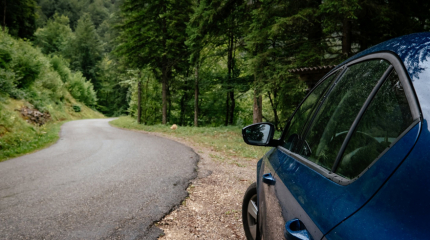
Car rental in Vilnius, Lithuania is one of the smartest decisions you can make when visiting or working in the country. Lithuania has a well-developed road network, generous open landscapes and a number of destinations that are either impractical or impossible to reach comfortably by public transport. Having your own vehicle for even part of your stay unlocks a completely different level of access, whether your goal is business efficiency, leisure travel or simply getting from A to B on a reliable schedule.
This guide covers the full picture: what documents you need, how insurance works, what to expect from the booking process, how to choose the right car, and the practical details that make the difference between a smooth rental experience and an avoidable headache.
Why Car Rental in Vilnius, Lithuania Is Worth Considering
Vilnius is the starting point for most travellers arriving in Lithuania, and the city itself is well set up for exploration. The historic centre is compact and walkable, public transport covers the main urban routes, and the infrastructure for getting around on foot is genuinely good. So the question arises: why rent a car at all?
The answer depends on what you are here to do. For pure sightseeing within the old town or central districts, a car is not strictly necessary. But the moment your plans extend beyond the centre, the equation changes.
Vilnius Airport sits about six kilometres south of the city. Reaching it by public transport with luggage, especially on an early morning or late night, is manageable but not convenient. A rental car waiting outside your accommodation, or delivered to your address, is a far more comfortable start or end to a trip.
Day trips from Vilnius are where a rental car genuinely transforms the experience. Trakai, with its island castle and surrounding lakes, is just 28 kilometres away. The Aukstaitija National Park, Druskininkai, the Hill of Crosses near Siauliai and the Baltic coast at Palanga are all within a few hours of driving. None of these are easily reachable without a vehicle, and all of them are worth visiting.
For business travellers, the logic is more straightforward. Moving between client meetings, office locations, conference venues and the airport on your own schedule, without relying on taxis or pre-booked transfers, saves both time and the administrative effort of coordinating arrivals.
What to Prepare Before You Book Car Rental in Vilnius, Lithuania
Booking a car in Vilnius is a simple process, but having the right documents in order before you arrive avoids any delays at pickup.
What you will need:
1. A valid driving licence, held for a minimum of two years.
2. A passport or national identity document for identification.
3. A confirmed payment method: most providers accept bank transfer, card and cash.
4. A reservation deposit paid at the time of booking.
The reservation deposit is usually a modest sum that reserves your vehicle. It is deducted from the total rental cost at pickup, but keep in mind that if you cancel the booking or do not collect the car, this deposit is non-refundable. This is standard practice across the industry and simply reflects the cost of holding a vehicle off the available fleet.
At pickup, a separate security deposit is required. This amount depends on the vehicle class: newer, higher-value cars carry a larger deposit, while older or smaller vehicles require less. If you prefer not to have funds held throughout your rental period, most providers offer a full insurance upgrade that removes the security deposit requirement entirely.
Car Rental in Vilnius Insurance Options Explained
Insurance is the part of any car rental agreement that deserves careful attention. Understanding what is covered before something happens is far better than discovering the gaps afterwards.
Standard coverage in Lithuania includes two layers. The first is third-party liability insurance, which is legally mandatory for any vehicle on the road and covers damage you cause to others. The second is KASKO, a comprehensive cover that protects the rental vehicle itself. Most reputable rental providers include both in their standard price.
However, KASKO coverage almost always includes an excess, which is the amount you are responsible for in the event of a claim. Depending on the rental company and vehicle type, this excess can be a significant sum. If you cause damage or the car is damaged while in your care, you pay the excess first and the insurer covers the rest.
To avoid this liability, many renters choose the additional insurance package. For a fixed daily fee, your personal excess is reduced to zero, meaning any damage claim is handled entirely by the insurer without you contributing anything. For most travellers, particularly those unfamiliar with local roads or planning longer journeys, this option provides clarity and peace of mind.
Important points about insurance coverage:
1. Any accident or damage must be reported to the rental company within 24 hours. Failing to do so can invalidate your coverage entirely.
2. Lost keys or rental documents carry a fixed penalty regardless of the circumstances.
3. Coverage is void for off-road driving, use in motorsport events or using the vehicle for driving tuition.
These exclusions are logical: the vehicle is insured for ordinary road use in normal driving conditions.
Mileage and Travel Rules
One of the more pleasant aspects of car rental in Vilnius, Lithuania is that for travel within the country, there are typically no mileage limits whatsoever. Whether you are driving from Vilnius to Kaunas for a day meeting or making a long loop across the country from east to west, the kilometres are not counted against you.
Cross-border travel works differently. If you plan to take the car into Latvia, Estonia, Poland or any other neighbouring country, this must be agreed in advance and is only possible in vehicles that still carry the manufacturer’s warranty. A daily kilometre allowance applies for international use, usually around 300 kilometres per day for standard passenger cars and a higher allowance for minibuses or larger vehicles. Kilometres driven beyond this allowance are billed at the per-kilometre rate stated in your contract.
On fuel: the car is provided with a full tank and should be returned full. If the fuel level at return is lower than at collection, the difference is charged at the contractual rate. This is the clearest possible fuel policy and avoids any complicated calculations: simply fill the tank before you bring the car back.
Choosing the Right Car for Your Trip
The range of vehicles available for rental in Vilnius typically spans economy cars, mid-range saloons, estate cars, minivans and commercial vehicles. Choosing the right category makes a meaningful difference to both comfort and practicality.
For city use and short trips: a compact hatchback is ideal. It is easier to park on Vilnius streets, cheaper to fuel and nimble enough for the narrower roads around the old town and residential areas. If you are travelling alone or with one other person and minimal luggage, a small car is perfectly sufficient.
For longer drives or multiple passengers: a mid-range saloon or estate car offers significantly more comfort and luggage space. Lithuanian motorways are smooth and well-maintained, and longer journeys in a comfortable vehicle are genuinely enjoyable.
For business use: an executive class car presents well at client meetings and airport collections, and the added comfort makes a difference on back-to-back travel days.
For groups or families: a minivan accommodates more passengers and luggage than any standard car. If you are travelling with children or a larger group, this category eliminates the compromises that come with fitting everyone and everything into a smaller vehicle.
Delivery and Pickup in Vilnius
A detail that significantly improves the rental experience is the option to have the car delivered to your location rather than visiting a rental office. Arrival in a new city with luggage and the need to navigate to an unfamiliar address is rarely anyone’s preferred start, and having the car waiting at your hotel or apartment removes that entirely.
Pickup and return outside standard hours can usually be arranged by prior agreement. If your flight lands late or you have an early morning departure, confirm this in advance, as an out-of-hours fee may apply. Returning the car late without prior notice typically results in an additional hourly charge, and delays beyond three hours are usually billed as a full extra day. A quick call when your plans change avoids this entirely.
Practical Advice for Driving in Vilnius and Lithuania
A few details worth knowing before you set off:
1. The speed limit in urban areas is 50 km/h, on open roads 90 km/h, and on motorways 130 km/h in dry conditions.
2. Speed cameras are widely deployed on Lithuanian roads and are actively monitored. Fines from camera evidence are issued to the registered vehicle.
3. Parking in central Vilnius is paid in most zones. Download the local parking app or use the SMS payment system to avoid fines.
4. Fuel stations are plentiful in Vilnius and throughout Lithuania. Even on longer rural routes, you will not find yourself far from a petrol station.
5. Lithuanian roads in the city and on motorways are in good condition. Rural roads vary more, but are generally manageable with a standard passenger car.
Car rental in Vilnius, Lithuania provides freedom that is difficult to replicate with any other transport option. From airport pickups to cross-country road trips, from solo business travel to family holidays, the right rental car makes every part of the trip more efficient and more enjoyable. Book with the documents ready, understand your insurance cover, choose the right vehicle for your specific use and the experience will be straightforward from the moment you collect the keys to the moment you return them. More information: https://www.gbyrent.lt/en/car-rental-vilnius
Užs.
Komentarai
Koks puikus rašinėlis . Visi